
FedNow & RTP Instant Payments Risk, Fraud, and Compliance RTP and FedNow Network Requirements
About This Course
This dynamic and informative session exploring the critical risk, fraud, and compliance requirements for the FedNow® and RTP® instant payment networks. This session dives deeper into instant payments risk from the point of view of the operational rules, fraud detection tools, and network-specific obligations facing financial institutions today.
Attendees will learn:
-
The latest fraud trends impacting instant payments and how to mitigate them
-
Key compliance obligations under FedNow® Operating Circular 8 and RTP® Operating Rules
-
How tools like Accept Without Posting, negative lists, fraud alerts, and velocity limits are used in both networks
-
What receiving institutions must do to manage credit-push fraud
-
How to apply the FraudClassifier® model for consistent reporting and investigation
-
What new ACH rule changes mean for risk monitoring and funds availability
Designed for banks, credit unions, and payments professionals, this session provides actionable insights and a framework to strengthen your fraud prevention and compliance programs for real-time payments.
*This program does NOT qualify, nor meet the National Standard for NASBA accreditation.
Your Instructor
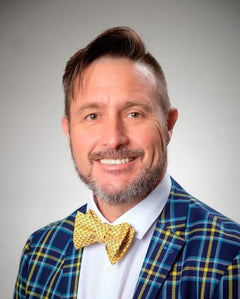
Kevin Olsen is a certified AAP (Accredited ACH Professional), APRP (Accredited Payments Risk Professional), NCP (National Check Professional), as well as a certified NCP Instructor with additional computer network, database, and security settings. Over the past couple decades, Kevin has been involved with product creation, design, implementation, education, and consulting for multiple platforms within remote deposit capture, ACH, and faster payments. Kevin has worked with financial institutions of all sizes in multiple countries to create products services, departments, systems, teams, and results that help financial institutions become more productive, compliant, and secure.
This course is covered under team memberships.
See Team Memberships