
Open Banking/Section 1033
About This Course
We have been hearing the rumblings about the CFPB’s Section 1033 of the Dodd-Frank Act for some time, but do we fully understand the impact to our customer data, the expectations of information security and the continued emphasis on vendor due diligence?
Banks, as covered data providers, will need to have compliance procedures around responding to requests from consumers making their “covered data” available to them in electronic format. We will talk about the machine-readable requirements and the adventures of working with other providers.
There will be many opportunities for banks to take advantage of this new world of data sharing and just being compliant would be a shortcoming if banks do not also take advantage of the new opportunities to help provide better services and products in this new world.
Topics covered in this session
API Enablement
- Discussion on whether your organization already has APIs in place or if you are considering engaging in API enablement to improve services and access for your customers
- How to monitor and report API performance
Third Party Risk Management
- Approaches to risk rating and evaluating third-party data recipients
- Ensuring compliance with security standards when sharing customer data with approved third parties
- Overview of the evolving regulatory landscape and its impact
Operations & Processes
- Identifying required changes to current operational processes to meet regulatory requirements
- Defining the type of experience you want to offer customers
- Deciding whether the bank will remain the sole data provider or become a data aggregator
FDX (Financial Data Exchange)
- Introduction to FDX and its role in the new data-sharing landscape
- Discussion on how FDX will help your organization navigate the new requirements and regulations
- Overview of the framework provided by FDX and its relevance to banks in this new functionality
*This program does NOT qualify, nor meet the National Standard for NASBA accreditation.
Your Instructor
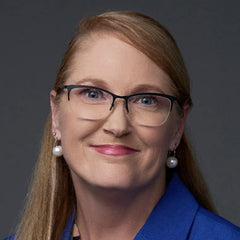
Maureen E. Carollo is a highly experienced risk and compliance professional and instructor/speaker and is currently serves as the Fair Lending Manager, AVP, for MidFirst Bank in Oklahoma City, Ok. MidFirst Bank at over $40B in total assets, is the largest privately held bank in the U.S. Previously, she was the Chief Compliance & Chief Risk Officer, SVP, for Old Glory Bank. She has over 35 years of experience in deposit operations, loan operations, compliance management, risk management, internal audit and BSA/AML/CFT program management areas and has held the Certified Regulatory Compliance Manager (CRCM) designation for over 20 years and also holds the Certified Anti-Money Laundering Specialist (CAMS) certification. She is a graduate of the Southwestern Graduate School of Banking at SMU in Dallas, Texas, and graduated with Recognition for Leadership. She serves on the “ABA Bank Compliance” magazine Editorial Advisory Board, where she has had multiple articles and columns published. She has also received an APEX Award for “Excellence in Publishing.” She has been a regular speaker for the ABA Risk and Compliance Conference, where she serves on the Advisory Board and was awarded the 2021 “Distinguished Service Award” for Compliance. She has also regularly spoken at events for Marquis Centrax, CbanC, Bankers Online, and Bankers Hub. She has been active in the Oklahoma Bankers Association, where she has been past Chairman of the Compliance School Board of Regents and served on the Board for over 20 years. She has also been a frequent speaker for the OBA’s Compliance School and past speaker for their Operations School, Consumer Lending School, and Intermediate Banking School.
This course is covered under team memberships.
See Team Memberships